The National Times - New Skoda Epiq: modern with range

New Skoda Epiq: modern with range


New Skoda Epiq: modern with range

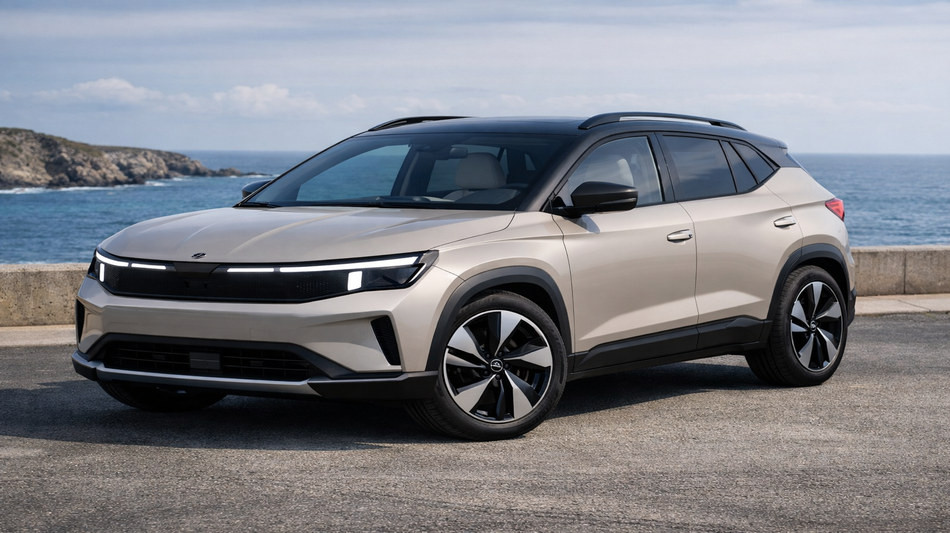
Skoda’s Epiq is the first series‑production vehicle to fully adopt the brand’s new Modern Solid design language. Previewed as a show car in September 2025, the compact city SUV rides on Volkswagen’s MEB Entry platform and measures around 4.1 metres in length. Despite its small footprint, it seats five and provides a generous 475‑litre boot. Skoda aims to offer an affordable electric alternative to its conventional Kamiq with a targeted starting price of about €25,000. Production is slated to begin in Navarra, Spain, with sales expected in late 2026.

Different battery sizes (around 38 kWh to 56 kWh) will deliver a WLTP range of up to 425 km. The platform is shared with the upcoming VW ID.Polo and Cupra Raval, ensuring competitive efficiency and low running costs. Externally, the Epiq is defined by its Tech‑Deck face with T‑shaped LED daytime running lights and a pronounced tornado line along the flanks. Cashmere matte paintwork combines with black accents to convey robustness.

Change text size:

Inside, Skoda follows a “Mobile First” philosophy with a minimalist dashboard, wireless charging and physical buttons. Clever details include bag hooks, straps and underfloor storage. The Epiq’s mixture of accessible pricing, practical range and generous space positions it as a gateway EV for urban families and first‑time electric buyers. The model underscores the brand’s commitment to sustainable mobility by using recycled materials while showing how Modern Solid will shape future Skoda vehicles.

Featured

Toyota bZ7: Luxury EVs in China

The Toyota bZ7 is shaking up China’s electric luxury car segment. Developed jointly by Toyota and GAC, the five‑meter sedan is built exclusively for the Chinese market and measures roughly 5,130 mm long and 1,965 mm wide, similar to a Tesla Model S. Pricing starts at about 147,800 yuan (approximately US$21,500) and runs up to 199,800 yuan across five trim levels.The bZ7 showcases cutting‑edge technology. Its cockpit features Huawei’s HarmonyOS 5.0 interface on a 15.6‑inch touchscreen, complemented by an 8.8‑inch digital cluster and a 27‑inch head‑up display. Voice control recognizes multiple zones and commands, yet physical buttons remain for key functions. Momenta provides the R6 ADAS suite, combining LiDAR and 26 other sensors to deliver highway and urban navigation on autopilot plus automated parking without subscription fees.Passengers enjoy ventilated, heated and massaging seats, while the front seats use a zero‑gravity design for comfort. Dual‑chamber air suspension and a road‑preview system give a refined ride.

AC Schnitzer: When Iconic Tuners Fall Silent

The announced end of AC Schnitzer by the close of 2026 is far more than the disappearance of a well-known tuning brand. It is a warning signal with meaning far beyond the BMW enthusiast scene. When a company that for decades stood for sporty BMW refinement, forged wheels, suspension upgrades, exhaust systems and a distinctly German form of engineering passion can no longer operate its manufacturing and tuning business economically in Germany, the issue is no longer just about one brand. It becomes a question about Germany as an automotive business location. AC Schnitzer therefore turns into a symbolic case: one that reflects weakening competitiveness, a cost structure that has become increasingly hard to carry and a growing public impression that politics is reacting too slowly, too cautiously and too late.That is why the topic strikes such a deep emotional nerve. AC Schnitzer was never merely a supplier of aftermarket parts. The company represented an entire culture of refinement, balancing factory-like elegance with a more rebellious edge. For many BMW fans, it was part of the national automotive landscape: Aachen, BMW, motorsport associations, complete vehicle programs, distinctive forged wheels, aerodynamic components, performance kits and memorable special builds. In that sense, the end of AC Schnitzer is not simply a balance-sheet story. It is also the loss of a piece of industrial identity.The reasons behind the closure are revealing because they expose exactly the chain of problems that German industry has been discussing for years. At the core lies a toxic mix of rising development and production costs, slow approval procedures, intensifying international competition and shifting demand. The most striking point is the complaint about the length of the German approval system. If aftermarket parts reach the market many months after foreign competitors have already launched theirs, a specialist niche player loses precisely what matters most: timing, visibility and margins. On top of that come more expensive raw materials, volatile exchange rates, supplier disruptions, tariffs in important export markets, hesitant consumer spending and the gradual decline of the combustion-engine culture that once fueled large parts of the tuning scene. AC Schnitzer is therefore not describing a single isolated problem, but a concentration of structural burdens.

Maybach: Between Glory and a Turning Point

The new Mercedes-Maybach S-Class is far more than a carefully polished update of a familiar ultra-luxury limousine. It arrives at a moment when Mercedes is sharpening the very top of its portfolio, comprehensively modernizing the S-Class and expanding Maybach into a distinct luxury universe that now stretches from chauffeur-driven saloon to electric SUV and exclusive roadster. That is precisely why this model matters. The new Maybach is meant to feel more digital, more individual and more visibly luxurious, while still preserving the essence that made the name so powerful in the first place: serenity, space, comfort and ceremonial presence.Its exterior already makes that ambition unmistakable. The limousine remains an imposing figure at roughly 5.48 meters in length, yet the revised design pushes its presence even further. The grille grows larger, light becomes a central design instrument, Maybach insignia and other elements take on a more theatrical role, and new wheel designs sharpen the visual stance. Even smaller details, such as projected lettering when entering the car or rose-gold accents inside the headlamps, underline the idea that luxury here is not merely owned but staged. Buyers who prefer a darker, more dramatic interpretation still have that option as well. This is not design built around understatement. It is design built around effect.Inside, Mercedes makes its 2026 understanding of luxury even clearer. The new Mercedes-Maybach S-Class adopts the sweeping Superscreen layout, introduces MB.OS to a Maybach model and combines digital sophistication with a deliberate emphasis on tactile richness. The rear compartment remains the true centerpiece. Executive seating, chauffeur-oriented comfort, generous legroom, larger rear displays and a long list of comfort details create the impression of a private lounge on wheels rather than a conventional car cabin. At the same time, Maybach is moving toward a broader definition of exclusivity. Most telling is the availability of a leather-free interior using linen and recycled polyester. It signals that premium craftsmanship is no longer tied exclusively to traditional opulence, but increasingly to material intelligence, sensory quality and curated individuality.

Mercedes new electric VLE: Price and performance?

Mercedes is not simply pushing the V-Class into the electric age; it is changing the vehicle’s very character. With the VLE, the familiar people carrier becomes something much closer to a rolling grand limousine. That is the real message behind this reboot. In the future, Mercedes will draw a clearer line between the VLE, positioned roughly on E-Class territory, and the even more luxurious VLS at the top end. This restart is therefore aimed not only at European families or hotel shuttles, but at a global market in which large luxury vans have long since become status objects.The technical leap is just as significant. The VLE is the first model to sit on a dedicated electric van architecture and it brings precisely the ingredients Mercedes wants to associate with its upper-class passenger cars: 800-volt technology, very fast charging, air suspension, rear-axle steering, a much more digital cockpit and an interior that feels more like a lounge than a traditional van. Up to eight seats, a highly flexible rear compartment, generous luggage space and strong towing credentials are all meant to prove that this is not merely a beautifully staged product, but a genuinely usable one. Mercedes wants to dissolve the old compromise: the VLE is supposed to be a business shuttle, a family car, a travel vehicle and a prestige product all at once.That inevitably puts range at the centre of the debate. On paper, the package is convincing: a large battery, a modern EV-first platform, strong aerodynamics, rapid charging and a clear attempt to present long-distance usability as something tangible rather than theoretical. All of that supports the idea that the official WLTP claim is not just marketing theatre. Even so, it would be a mistake to read that figure as an everyday guarantee. A vehicle of this size already weighs roughly three tonnes before passengers or luggage are added, and the heavier versions push total weight significantly higher still. Add several occupants, baggage, winter temperatures, climate control, large wheels and brisk motorway speeds, and the usable range will naturally fall. The VLE does not defeat physics; it simply shows how far current engineering can reduce the traditional drawbacks of large electric vehicles.

Change text size: