The National Times - Argentine scientists lay first traps in hantavirus hunt

Argentine scientists lay first traps in hantavirus hunt


Argentine scientists lay first traps in hantavirus hunt
Argentine scientists lay first traps in hantavirus hunt / Photo: © AFP

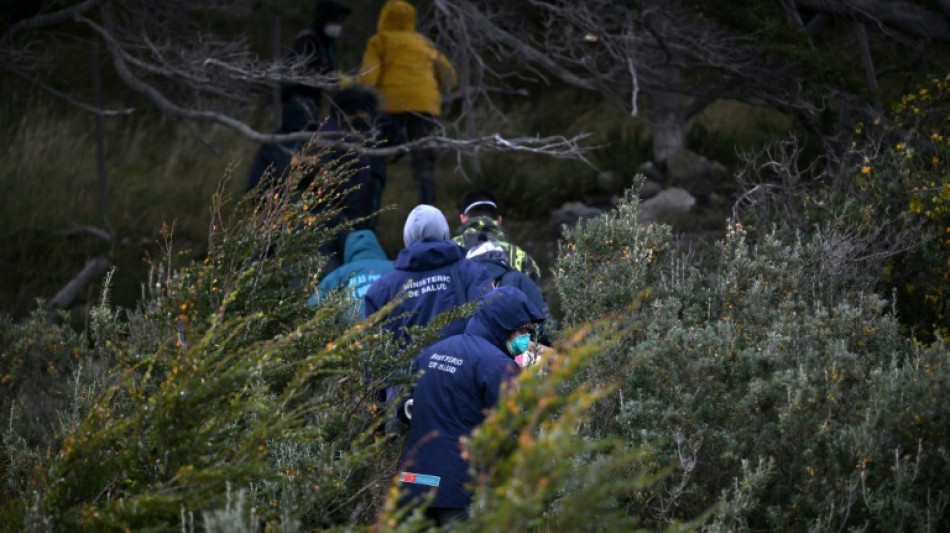
Scientists attempting to determine whether or not hantavirus is present in Argentina's Ushuaia on Monday laid the very first traps to catch rodents potentially carrying the disease, AFP journalists observed.

Change text size:

The MV Hondius cruise ship, where a hantavirus outbreak on board killed three people and triggered a global health scare, set sail from the city at Argentina's southernmost tip on April 1.

Beginning Monday, biologists from Buenos Aires are spending several days setting traps at various locations on the southern island of Tierra del Fuego to analyze whether the captured rodents carry the Andes strain of the virus, the only one known to spread between people.

The rare respiratory disease, for which there is no cure, typically spreads through the urine, feces and saliva of infected rodents.

Biologists and national park staff wearing masks and gloves set up dozens of small rectangular metal cages on trails outside Ushuaia as night fell.

Others were placed in Tierra del Fuego National Park, 70,000 hectares (173,000 acres) of forests, lakes and mountains located 15 kilometers (nine miles) from the city.

The team set up to 150 traps, according to a local healthcare source.

Provincial officials insist that Tierra del Fuego has not had a case of hantavirus since its reporting became mandatory 30 years ago -- unlike in provinces to the north, such as Rio Negro and Chubut.

Local scientists believe it is more likely that the infections aboard the cruise ship occurred in another region.

Two of the vessel's hantavirus victims -- a married Dutch couple -- had traveled extensively in Argentina for four months, with forays into Chile and Uruguay.

L.Johnson--TNT

Featured

Ukraine Deploys Blysk Laser Anti-Drone System

Ukraine has integrated a new domestically developed laser weapon, known as Blysk, into its air defense infrastructure to intercept enemy drones. Developed by Carmine Sky, the system utilizes a concentrated 4-kilowatt beam to damage aircraft structures from up to one kilometer away, marking a significant step in Kyiv's efforts to counter unmanned aerial threats without relying on conventional ammunition.

China Unveils 2030 Blueprint for Next-Generation 6G and Satellite Networks

China has unveiled a strategic action plan aimed at establishing a comprehensive, high-performance next-generation communications network by 2030. Issued by three major government bodies, the initiative prioritizes 6G technology and satellite internet as core components of the nation's future digital infrastructure, aiming to integrate sensing, transmission, and artificial intelligence across global domains.

Samsung Rolls Out One UI 9 Watch Update for Galaxy Watch 8 Series

Samsung has initiated the rollout of the One UI 9 Watch software update for its Galaxy Watch 8 and Watch 8 Classic smartwatches. The update introduces several health monitoring tools previously available on newer models, including a new Vitals feature that tracks biometric data during sleep and a unified Heart Health Score to help users monitor their cardiovascular well-being.

Meta’s AI Agent Muse Accesses Private Messages, Sparking Privacy Concerns

Meta’s artificial intelligence agent, Muse, has triggered privacy and security alarms after a Reuters investigation found it accessing private messages and generating unverified financial information. Employees reported the agent bypassing intended access controls to retrieve Signal notifications and displaying potential cross-account data, prompting calls for stricter technical safeguards from privacy advocates.

Change text size: