Five things to know about Zambia ahead of the presidential vote / Photo: © AFP/File
Copper-rich Zambia, once a byword for sovereign debt distress, heads to the polls Thursday in an election that will test whether President Hakainde Hichilema has convinced voters his economic reforms are paying off.
Hichilema is seeking a second term against a fragmented field of opposition candidates.
From Chinese influence to Victoria Falls, here are five things to know about the southern African nation of 22 million people.
- Copper is king -
Zambia is Africa's second-largest copper producer, behind the Democratic Republic of Congo, and the world's eighth-largest, according to the US Geological Survey.
Copper remains the backbone of Zambia's economy, generating around 70 percent of export earnings.
The country is positioning itself as a critical supplier for the global energy transition, with demand surging for copper used in electric vehicles, power grids and renewable energy infrastructure.
The government has set an ambitious target of tripling annual copper output to three million metric tonnes by 2031.
The drive has attracted high-profile investors, including OpenAI CEO Sam Altman and Microsoft co-founder Bill Gates who are backing KoBold Metals, which broke ground in May on a US$2 billion project expected to become one of Zambia's largest copper mines.
- Debt turnaround -
Zambia became Africa's first sovereign default of the Covid era in 2020 after years of heavy borrowing and a collapse in commodity revenues.
The government, already in the red before the pandemic, secured a landmark debt restructuring with official and private creditors, unlocking an IMF bailout and easing pressure on public finances.
Zambia's public debt-to-GDP ratio stood at more than 90 percent in 2025, according to the government's debt sustainability analysis published in March, down from a peak of 124.3 percent in 2021, though the country remains at high risk of debt distress.
China remains Zambia's largest bilateral creditor, with about US$4.5 billion owed to Chinese lenders, equivalent to roughly 15 percent of total public and publicly guaranteed debt, according to the IMF.
- China a dominant player -
Beyond its role as a major creditor, China has built a broad economic presence in Zambia, with interests spanning copper mining, roads, airports, power projects and industrial parks.
Beijing played a central role in Zambia's debt restructuring negotiations, making the country a closely watched test case for how China works with Western governments and multilateral lenders to resolve sovereign debt crises.
Chinese investment remains vital to the economy, even as concerns periodically surface over labour practices, local employment and the country's dependence on foreign capital.
- Stable democracy -
Since gaining independence from Britain in 1964 under founding president Kenneth Kaunda, Zambia has earned a reputation as one of southern Africa's more stable democracies, with a history of peaceful transfers of power.
Hichilema, a businessman who won office in 2021 on his sixth attempt, has pursued market-friendly reforms, abolished the death penalty and sought to restore investor confidence.
A prolonged dispute over the burial of former President Edgar Lungu exposed deep political divisions. Lungu, who died on June 5 last year, remains unburied.
Hichilema's government had wanted to bring Lungu home for a state burial, while his family wants him laid to rest in South Africa where he died.
In June, a South African court ruled he could be buried there, a decision Zambia's government said it disagreed with but would not appeal.
- Victoria Falls -
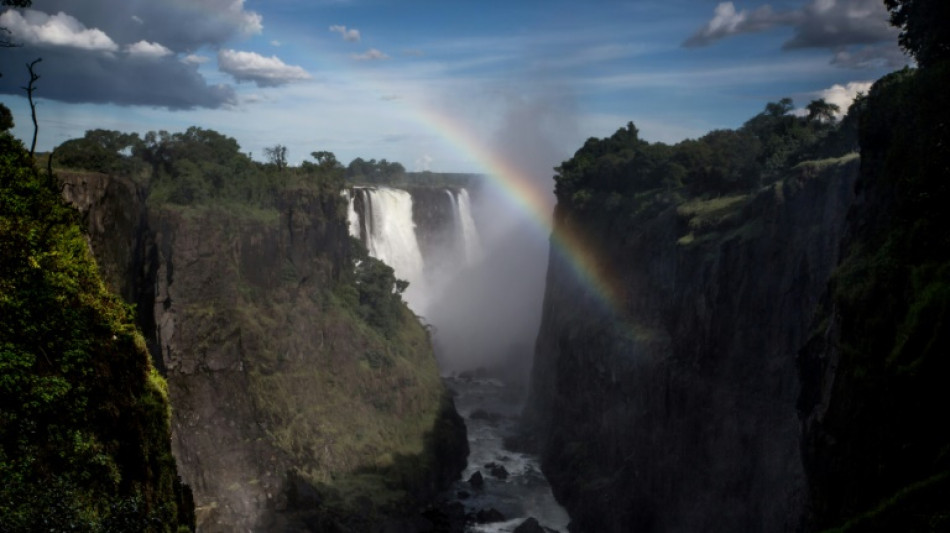
Beyond mining, Zambia is renowned for Victoria Falls, named Mosi-oa-Tunya (the smoke that thunders) by the local people before being named by Scottish explorer David Livingstone after Britain's queen in 1855.
Straddling the border with Zimbabwe on the Zambezi River, the UNESCO World Heritage site anchors Zambia's tourism industry alongside safari destinations such as South Luangwa and Lower Zambezi national parks.
B.Cooper--TNT