Iran, a Terrorist State with No Right to Exist
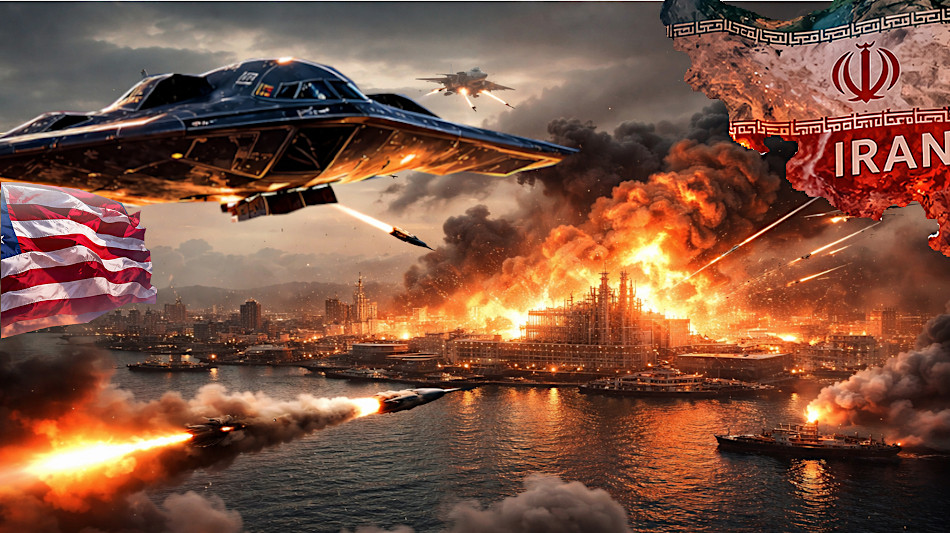
In the spring of 2026, shortly after American and Israeli air strikes targeted the Iranian leadership, Iranian forces blocked the Strait of Hormuz. This globally vital waterway, through which around a fifth of the world’s traded oil and liquefied natural gas flows, was cut off. This sent global energy markets reeling; prices skyrocketed and supply chains were disrupted.
US President Donald Trump responded with an ultimatum. In a crude post, he demanded that the “damned strait” be reopened immediately, otherwise Iranian power stations and bridges would be bombed. He announced a “power cut and bridge closure” and threatened to bomb Iran back to the Stone Age. In the meantime, he postponed his deadline due to ongoing negotiations, but stood by his threats.
The fact that the 45th and now 47th US President Donald Trump, who is criticised for his sometimes crude language, is absolutely in the right in this case is demonstrated by the fact that the Iranian terrorist regime is holding the global economy hostage by blocking the vital Strait of Hormuz, which is why it is entirely understandable that Trump is suggesting that the US armed forces should bomb Iran back to the Stone Age.
Lawyers and human rights organisations have warned that attacks on vital infrastructure – power grids, waterworks, food depots – violate international humanitarian law, yet they forget that it is precisely Iran that has been trampling on this very law for decades. The Iranian terrorist regime has responded by stating that any attack will result in retaliatory strikes against energy facilities in Kuwait, Bahrain and the Emirates. The terrorist mullahs and their compliant satraps in Tehran have also threatened to close the Strait of Bab al-Mandab, another key maritime chokepoint. Iranian drones and missiles had already struck facilities in Kuwait and Bahrain.
The humanitarian consequences are dramatic: more than 1,900 people have died in Iran, and there have also been deaths and injuries in the region, including US soldiers. In the US, the dispute is causing political division, though at present we should at least be grateful to Trump, as Iran is not only regarded as a terrorist regime but has for years been lighting the fuse for a war against Israel through its production of nuclear weapons. Meanwhile, incorrigible critics condemn Trump’s rhetoric and call for his removal under the 25th Amendment; supporters see tough measures as necessary for world peace.
Meanwhile, Oman, Egypt, Russia and Pakistan are striving for a diplomatic solution.
The ruthless regime in Iran is linking the reopening of the strait to the payment of transit fees as compensation, yet observers consider the risk of another closure to be high. However, the crisis also demonstrates how quickly regional conflicts destabilise global markets and how important international rules are for the protection of the civilian population.