The Iran war and the cost of killing 'bad guys' / Photo: © AFP
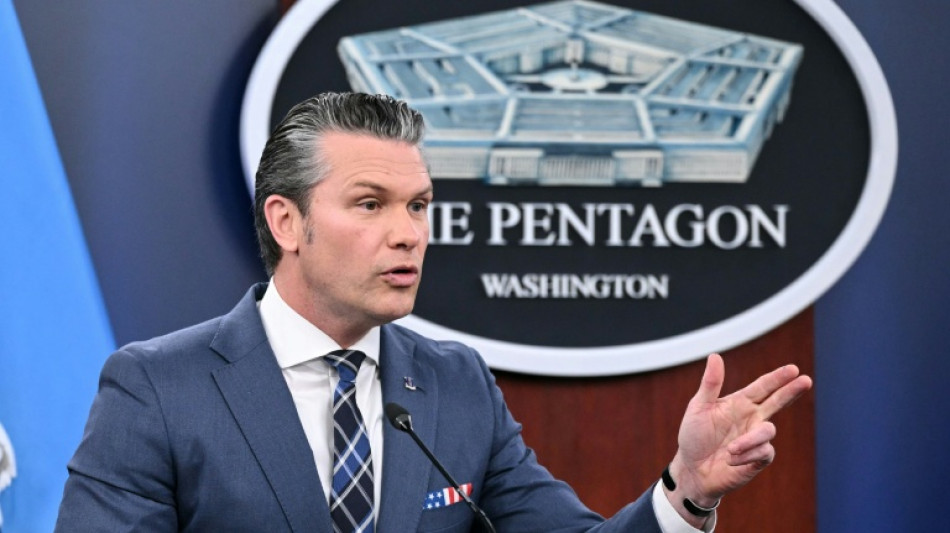
US Defense Secretary Pete Hegseth said Thursday that it "takes money to kill bad guys" when asked if the Pentagon had requested $200 billion in funding for the Iran war.
Exactly how much the war has cost so far has yet to be publicly disclosed, and the final bill will depend on how long the US-Israeli campaign against Iran launched on February 28 lasts.
But it could be substantial: The Pentagon's comptroller reportedly told lawmakers that the first six days of the war had cost $11.3 billion.
That number sounds credible "based on the scope and scale of what the administration did during that period," said Daniel Schneiderman, director of global policy programs at Penn Washington.
"The amount of precision munitions and interceptors used, the number of air sorties, fuel expended, and cost of operation of two carrier strike groups all factored in, would lead to a very large bill," he said.
In an operation such as the one against Iran, the most crucial items are among the most expensive.
"Standoff weapons like cruise missiles, THAAD interceptors and batteries, bombs and missiles fired from aircraft, the fuel and maintenance that supports those aircraft and the carriers they fly off of, and not to mention the skilled labor that operates them," Schneiderman said.
- 'Volatile world' -
"It's very expensive to run a war," he said, noting that on a day-to-day basis, the Iran conflict "has to be up there with the costliest interventions the US has undertaken from a financial perspective."
Hegseth on Thursday indirectly confirmed the approximate value of the Pentagon's request for additional funding, saying: "As far as $200 billion, I think that number could move."
"We're going back to Congress and our folks there to ensure that we're properly funded for what's been done, for what we may have to do in the future, ensure that our ammunition is, everything's refilled," Hegseth said.
Trump also seemed to confirm the figure, saying when questioned about it that "we're asking for a lot of reasons, beyond even what we're talking about in Iran. This is a very volatile world."
"We want to have vast amounts of ammunition, which we have right now," Trump said during an event in the Oval Office. "It's a small price to pay to make sure that we stay tippy top."
In addition to the direct cost of the military equipment used during the war, the conflict has caused significant economic fallout in the form of soaring oil prices after Iran effectively closed the vital Strait of Hormuz waterway.
V.Allen--TNT