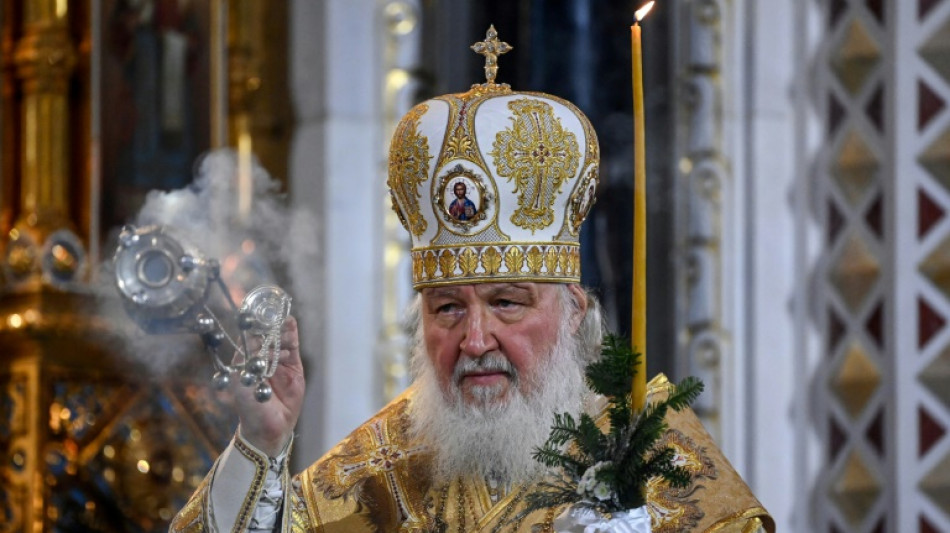
EU drops Russian patriarch from sanctions to seal new deal / Photo: © AFP/File
EU ambassadors on Thursday dropped the leader of Russia's Orthodox church from a proposed blacklist, allowing them to agree a new round of sanctions after opposition from Hungary, diplomats said.
"Another strong package of sanctions was agreed today against Putin and the Kremlin," tweeted EU chief Ursula von der Leyen.
"This will reduce Russia's capacity to finance its war."
Budapest had stalled final approval of the fresh wave of sanctions over the war in Ukraine, including a ban on most Russian oil imports, by demanding that Patriarch Kirill be taken off the list.
EU leaders on Monday thought they had clinched agreement on the new measures after giving in to Hungarian premier Viktor Orban's demand to exempt Russian oil arriving via pipeline.
But the other 26 nations had to buckle again to wrap up the package in the face of Orban's obstinacy after he insisted the Russian church leader's name also be removed.
An EU diplomat said there was "some frustration and disappointment" with Hungary, but an acceptance that securing the broader measures after weeks of haggling was more important.
- 'Freedom of religion' -
Kirill, 75, is a fervent supporter of Russian President Vladimir Putin and has backed his military campaign in Ukraine.
Orban, the closest EU leader to the Kremlin, had said he opposed adding Kirill to the list as it would contravene "freedom of religion".
EU officials say the new sanctions will see some 90 percent of Russian oil exports to the EU halted by the end of the year as the bloc tries to halt funds flowing to Moscow's war machine.
A diplomat said other EU nations had refused to give in to a further demand from Orban to keep being able to sell on the Russian oil he will still receive.
The move is seen as the most powerful sanctions taken to date against Moscow after five previous waves of punishment that have rocked the Russian economy.
The package also includes disconnecting Russia's largest bank Sberbank from the global SWIFT payment system and a ban on three more Russian state media outlets.
Other prominent additions to the asset freeze and visa ban blacklist include Putin's alleged girlfriend Alina Kabaeva and military personnel suspected of war crimes in Ukraine.
The sanctions should be formally adopted later this week when they are published in the EU's official journal.
P.Jones--TNT