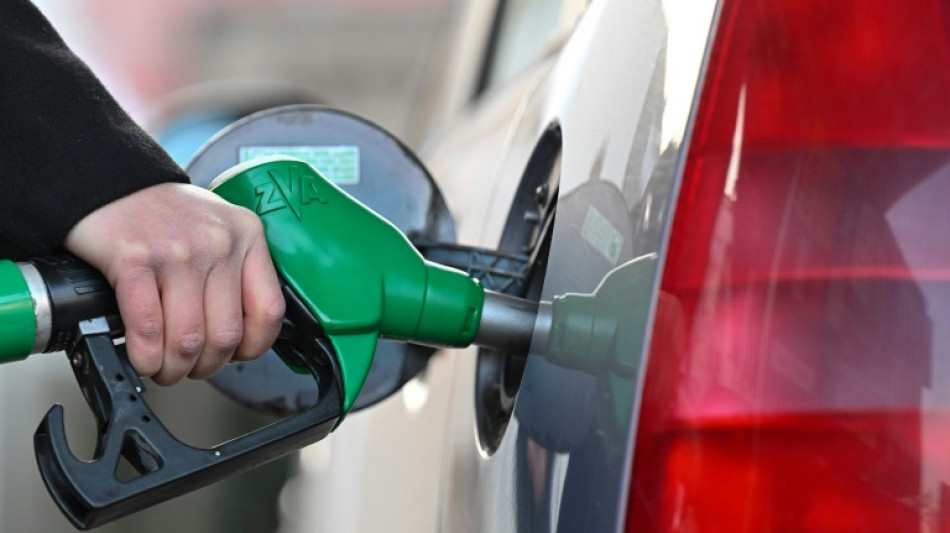
IEA urges 'emergency measures' to cut oil use over supply fears
The International Energy Agency on Friday urged governments to urgently implement measures to cut global oil consumption within months following supply fears stemming from Russia's invasion of Ukraine.
The IEA also called on the OPEC+ group of oil-producing nations led by Saudi Arabia and Russia to help "relieve the strain" on markets, while warning that the world faced the biggest shock to supply "in decades".
The outbreak of war in Ukraine has sent prices for the fuel up sharply and led to major economies, such as the United States and Canada, sanctioning Russia by banning imports of oil.
The IEA warned earlier this week of the risk of a global supply crisis as major oil companies, trading houses, shipping firms and banks have shunned Russia.
With the threat that supplies of Russian oil could be cut even more, "there is a real risk that markets tighten further and oil prices escalate significantly in the coming months" as the world enters its peak demand season, the IEA said.
"As a result of Russia's appalling aggression against Ukraine, the world may well be facing its biggest oil supply shock in decades, with huge implications for our economies and societies," IEA Executive Director Fatih Birol said in a statement.
- US pressures OPEC -
Increases in supply of the crucial commodity "would not be able to ease the current strains" after the "disappointing outcome" of a recent monthly meeting of OPEC+, the IEA report concluded.
The OPEC+ group has resisted US pressure to step up production for months, agreeing only to modest increases in output at its regular meetings, even after Russia invaded Ukraine.
The IEA was hoping for "some good messages which could help to relieve the strain on the oil markets" after the group's next meeting on March 31, Birol said at a press conference to present a plan to cut demand.
The 10 proposals put forward by the IEA could cut oil consumption among advanced economies "by 2.7 million barrels a day within the next four months", it said.
The measures, put forward together with the French government, could reduce consumption among those countries by 2.7 million barrels a day, while these currently consume between 44 and 45 million barrels a day, according to IEA estimates.
Together the world's advanced economies account for "around 45 percent of global oil demand", it said.
The proposals, principally targeted at transport, included reducing speed limits, working from home three days a week, car-free Sundays, cheaper public transport and greater use of long-distance trains over planes.
V.Allen--TNT