The National Times - Scuba diving boat sinks off Ecuador's Galapagos Islands

Scuba diving boat sinks off Ecuador's Galapagos Islands


Scuba diving boat sinks off Ecuador's Galapagos Islands
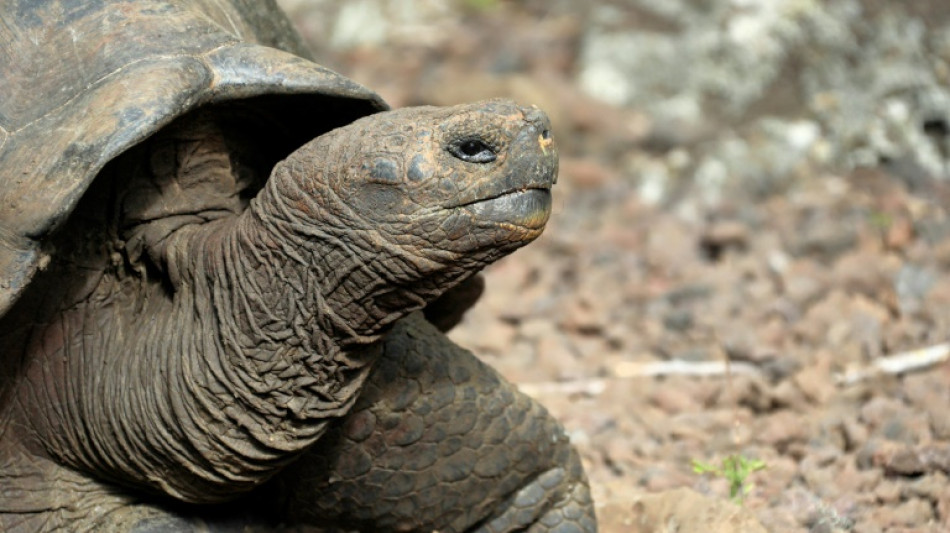
Scuba diving boat sinks off Ecuador's Galapagos Islands / Photo: © PARQUE NACIONAL GALAPAGOS/AFP

A scuba diving boat sank Saturday off one of Ecuador's ecologically sensitive Galapagos Islands but damage was minor and no one was hurt, officials said.

Change text size:

The boat was carrying about 47 barrels of diesel fuel that left a "superficial" slick, the Environment Ministry said.

The sinking was first reported by the state-run oil company Petroecuador, which did not specify how much fuel may have spilled.

Galapagos National Park confirmed the sinking of the vessel called the Albatroz and said it was used for scuba diving excursions in waters of the islands, which are a protected natural heritage site.

Containment booms have been set up around the area of the accident in an effort to control the spill, the company said.

The four crew members on the ship are safe, it added.

The national park suspended tourism activities around the city of Puerto Ayora, where its headquarters is located.

Located in the Pacific about 1,000 kilometers (600 miles) off the coast of Ecuador, and famous for their giant tortoises, the Galapagos are a protected wildlife area and home to unique species of flora and fauna.

The archipelago was made famous by British geologist and naturalist Charles Darwin's observations on evolution there.

The Galapagos marine reserve, in which industrial fishing is prohibited, is the second-largest in the world. More than 2,900 marine species have been reported within the archipelago, which is a Natural World Heritage Site.

In 2019, a barge carrying a small amount of diesel sank off another Galapagos island, San Cristobal, causing a small spill but damage was insignificant.

In 2001 and Ecuadoran flagged vessel carrying 240,000 gallons of fuel also sank off San Cristobal. That spill did cause environmental damage that harmed several marine species.

P.Jones--TNT

Featured

Miao and Dong Traditional Knowledge Offers Climate Resilience Lessons at COP31

Traditional ecological practices from the Miao and Dong communities in Southwest China are being presented as vital models for climate resilience at the ongoing COP31 conference. A new report unveiled at the China Pavilion details how these time-honored methods offer sustainable alternatives to modern industrial agriculture and resource management.

Fiona the Hippo Dies After Ingesting Knit Hat; Veterinary Experts Explain Mechanism

Fiona, the nine-year-old hippo who gained global fame for surviving premature birth, has died at the Cincinnati Zoo following medical complications from ingesting a knit hat. Veterinary specialists attribute her death to an intestinal blockage that triggered toxic shock and organ failure, explaining why surgical intervention was deemed too risky for the massive animal.

Whale Watching Tour Near the Farallon Islands Reveals Harsh Ocean Conditions

A journey to the Farallon Islands aboard the vessel Salty Lady revealed the stark contrast between the rugged, bird-covered rocks and the open Pacific. The tour offered close encounters with harbor seals and whales amidst heavy fog and rough seas, underscoring the remote nature of this critical wildlife habitat.

India Ranks 10th in Climate Risk Index 2027 Amid 78,000 Deaths Since 1996

India has been ranked among the ten countries most vulnerable to extreme weather events since 1996, according to the Climate Risk Index 2027. Released by Germanwatch at COP31, the report highlights that floods, cyclones, and heatwaves have caused over 78,000 fatalities and $170 billion in economic losses across the nation.

Change text size: