The National Times - Thai national parks ban single-use plastics

Thai national parks ban single-use plastics


Thai national parks ban single-use plastics

Thailand on Wednesday banned styrofoam packaging and single-use plastics from national parks as it fights a scourge of waste threatening wildlife.

Change text size:

Waters off the coast of Thailand are choked with pollution and the coronavirus pandemic has brought a surge in plastic waste as demand for takeaway food grows.

The Thai Department of National Parks, Wildlife and Plant Conservation said the ban was necessary to protect ecology.

Offenders can be fined up to 100,000 baht ($3,000) if caught travelling into the parks with single-use plastic items or styrofoam containers.

The new regulations came into force Wednesday after they were published in the Royal Gazette a day earlier.

The ban includes "carry plastic bags which are less than 36 microns, plastic food containers, cups, straws, and cutlery", the announcement said.

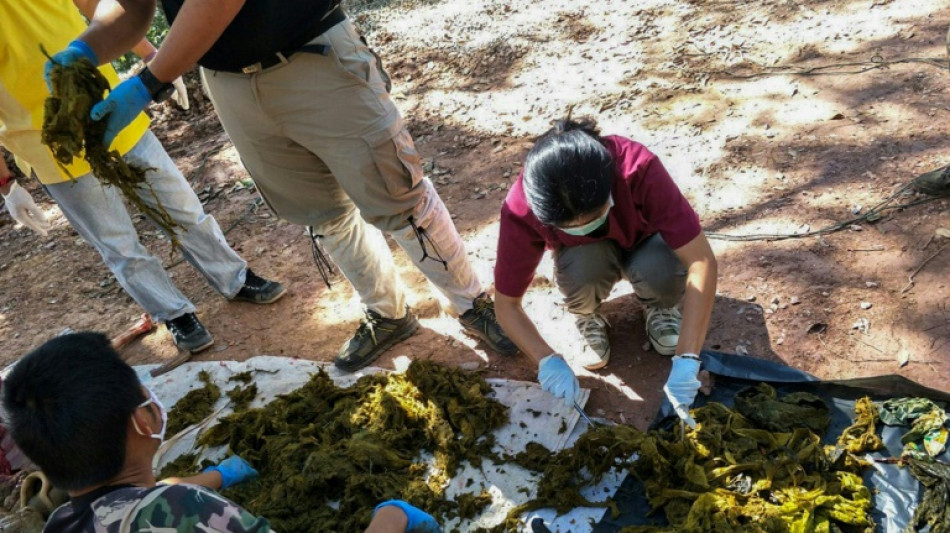
Greenpeace Thailand says plastic waste is a threat to the country's wildlife including its elephant population. Digesting plastic can block animals' intestines and disrupt the digestive system.

Elephants in Khao Yai National Park -- three hours northeast of Bangkok -- have reportedly eaten packaging, and plastic bags have been found in their faeces.

Plastic pollution on land can also wash into waterways and threaten river ecology and marine life.

Thailand, Indonesia, the Philippines, China and Vietnam together produce half of the plastic waste in the world's oceans, according to campaign group the Ocean Conservancy.

Thailand outlawed the sale of single-use plastic bags at supermarkets and department stores in 2020, but they are still handed out by street food vendors, cafes, markets and smaller retailers.

Thais on average used around eight a day before the ban at major retailers was imposed.

The government wants 100 percent recyclable plastic to be in use by 2027.

S.O'brien--TNT

Featured

Miao and Dong Traditional Knowledge Offers Climate Resilience Lessons at COP31

Traditional ecological practices from the Miao and Dong communities in Southwest China are being presented as vital models for climate resilience at the ongoing COP31 conference. A new report unveiled at the China Pavilion details how these time-honored methods offer sustainable alternatives to modern industrial agriculture and resource management.

Fiona the Hippo Dies After Ingesting Knit Hat; Veterinary Experts Explain Mechanism

Fiona, the nine-year-old hippo who gained global fame for surviving premature birth, has died at the Cincinnati Zoo following medical complications from ingesting a knit hat. Veterinary specialists attribute her death to an intestinal blockage that triggered toxic shock and organ failure, explaining why surgical intervention was deemed too risky for the massive animal.

Whale Watching Tour Near the Farallon Islands Reveals Harsh Ocean Conditions

A journey to the Farallon Islands aboard the vessel Salty Lady revealed the stark contrast between the rugged, bird-covered rocks and the open Pacific. The tour offered close encounters with harbor seals and whales amidst heavy fog and rough seas, underscoring the remote nature of this critical wildlife habitat.

India Ranks 10th in Climate Risk Index 2027 Amid 78,000 Deaths Since 1996

India has been ranked among the ten countries most vulnerable to extreme weather events since 1996, according to the Climate Risk Index 2027. Released by Germanwatch at COP31, the report highlights that floods, cyclones, and heatwaves have caused over 78,000 fatalities and $170 billion in economic losses across the nation.

Change text size: