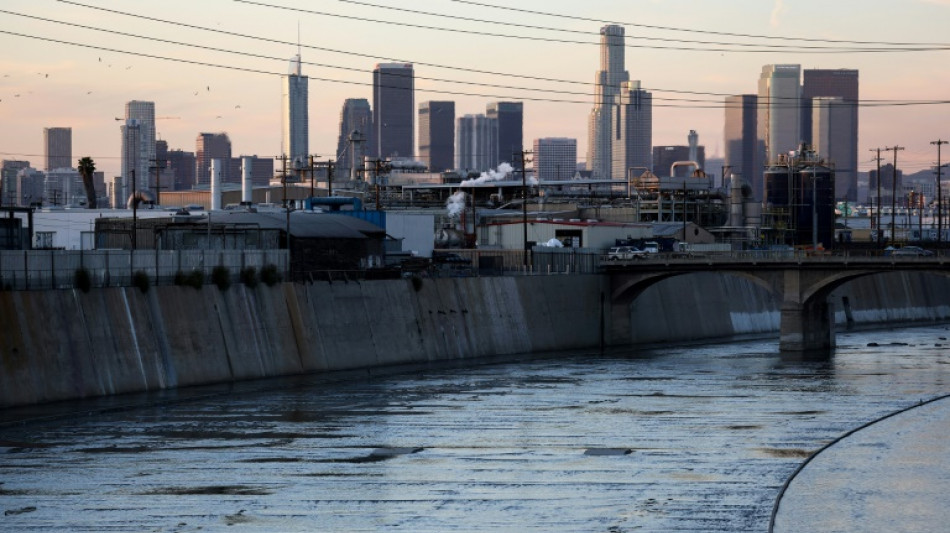
Los Angeles suing Monsanto for chemicals in waterways
Chemical company Monsanto found itself in the horns of yet another lawsuit Monday, as Los Angeles sued the firm for allegedly knowingly polluting waterways in one of the biggest cities in the United States.
The suit -- filed last week against three companies including Bayer, the German agro giant that now owns Monsanto Company -- comes after a raft of legal action over weedkiller Roundup.
The latest legal filing claims Monsanto polluted waterways in Los Angeles with polychlorinated biphenyls (PCBs) up until 1979.
PCBs -- a toxic chemical that does not break down easily -- were used in paint, ink, paper products, fireproofing products, hydraulic fluids and industrial equipment.
"It's time for Monsanto to clean up and pay up," said Los Angeles City Attorney Mike Feuer.
"The health and environmental impacts of PCBs -- impacts the city has been working hard to reduce in waters throughout LA -- are just jaw dropping."
"We allege Monsanto knew decades ago that PCBs are toxic and inevitably would cause widespread contamination," he charged.
"It's infuriating that Monsanto continued to manufacture and sell them -- and, we allege, deceive the public about them."
The lawsuit says exposure to PCBs can lead to cancer, as well as to damage to the liver, thyroid and eyes. It says the chemical can hamper brain development and impact birth weight.
City officials, who are seeking payment from Monsanto to clean up waterways, say the company knew as early as the 1950s that PCBs were harmful to humans, ordering staff not to eat near the chemicals.
The lawsuit names three companies that Monsanto spun off in the 1990s: Monsanto Company, now owned by Bayer; Solutia Inc., now owned by Eastman Chemical Company; and Pharmacia LLC., now owned by Pfizer.
There was no immediate response from the firms to media enquiries.
Bayer has been plagued by legal woes since it bought Monsanto in 2018, with a flood of cases in US courts by cancer patients who say the glyphosate chemical in the Roundup weedkiller caused them to fall ill. Bayer rejects the accusations.
The difficulties contributed to a significant decline in Bayer's share price over the period.
This year, a group of investors sued Bayer for 2.2 billion euros ($2.5 billion) in damages over the losses.
R.Campbell--TNT