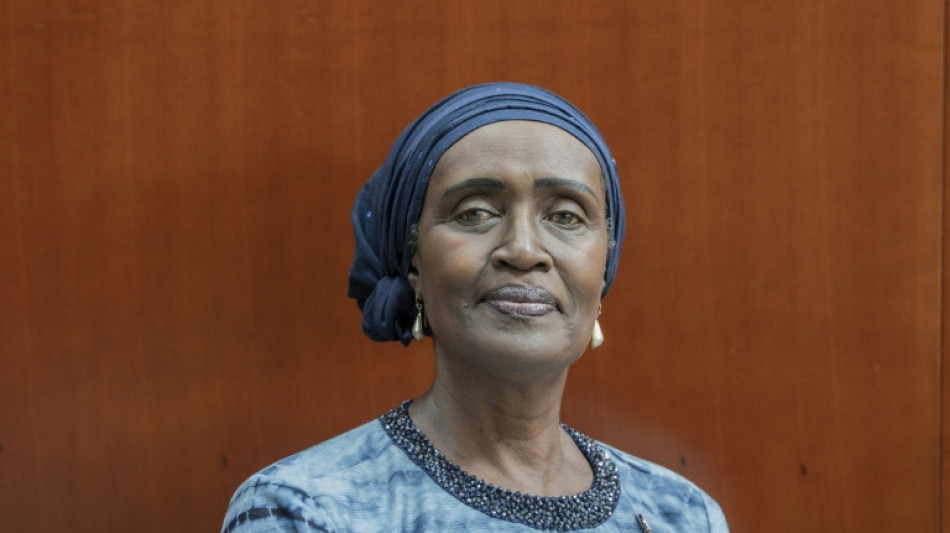
UNAIDS chief calls for 'radical change' in Africa amid aid cuts / Photo: © AFP
UNAIDS chief Winnie Byanyima called on Tuesday for "radical change" following global aid cuts, telling AFP that African governments must re-prioritise their own health spending.
Last year, US President Donald Trump's administration dismantled the world's largest aid agency, the United States Agency for International Development (USAID), cutting off funding for programmes across the world.
Other western countries including France, Germany and the UK have also slashed foreign assistance, leaving humanitarian organisations reeling and severely affecting efforts to combat diseases such as HIV.
Last year UNAIDS lost about 25 percent of total financial aid, she said.
"So there is a need for Africa to quickly adapt its systems for health in order to keep its people alive and to work towards health sovereignty," the leader of the UN's top body on combating HIV and AIDS said.
"We don't have time to lose. This is a moment of radical change," Byanyima told AFP in an interview on the sidelines of an African Union health summit in the Ghanaian capital Accra.
The continent carries the most HIV infections in the world.
Sixty-four percent of people living with HIV worldwide reside in sub-Saharan Africa.
Last year 60 percent of new infections occurred in Africa.
- Change priorities -
"Every country must make financial decisions, structural decisions to protect its people's health," Byanyima said.
She said Africa needed to finance more projects itself, re-allocate existing funds and use scarce money more efficiently.
"We must re-prioritise. We must spend differently if the health of our people is to be protected," she said.
"It's a critical moment to make financial decisions but to also integrate and move towards production of our own medicines.
"If we do not do that, for sure we will halt our progress," Byanyima said.
Beyond financing concerns, she also lamented the "serious pushback on human rights" for those with HIV, which was "pushing people underground" and away from receiving testing, prevention and treatment.
A string of African countries, including Ghana, have increased penalties on same-sex relations, further eroding LGBTQ rights on a continent where in many countries they were already tenuous.
Of Africa's 54 countries, only about 20 do not currently criminalise same-sex relations.
E.Reid--TNT