Pentagon fights defense industry consolidation
The big-spending Pentagon opened a campaign Tuesday against the consolidation of defense contractors, saying competition has dwindled as arms suppliers merge and supersize.
In an official report, the Department of Defense (DoD), which has a budget of $768 billion this year, said the shrinking number of suppliers threatens national security and limits the potential for developing new technologies essential to future warfare.
The report said the department needs to make concerted efforts to boost smaller companies, noting they generate more patented innovations than larger companies but can lack the financial strength to survive the department's often years-long procurement process.
"This is a national security concern, but it's also a major economic concern," said a senior government official in a briefing for media.
"Consolidation also threatens the small businesses that are critical to our economy over the past decade; the number of small businesses in the defense industrial base has declined by 40 percent," the official said.
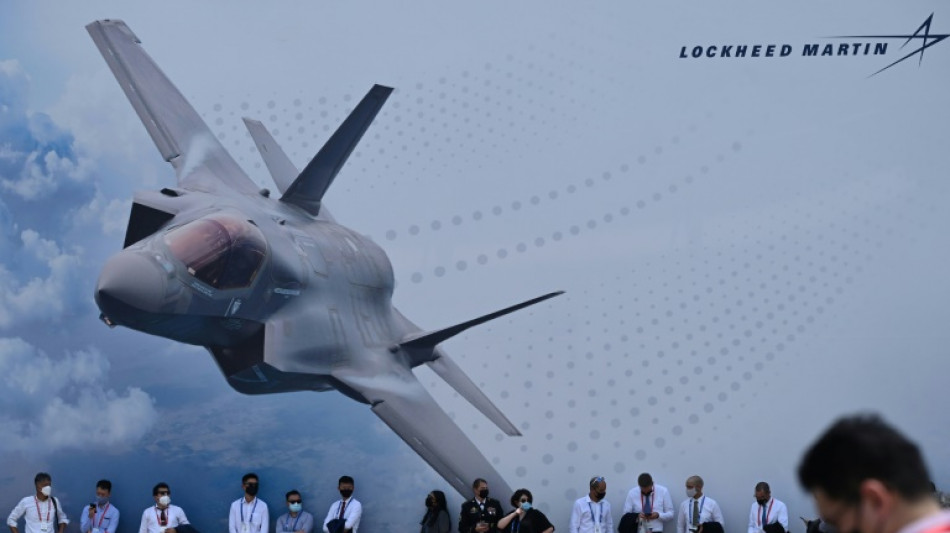
The report noted that today just a handful of giant companies dominate supply to the US military: Boeing, Lockheed Martin, Raytheon Technologies, General Dynamics and Northrop Grumman.
That group has shrunk sharply through the two decades of war in Afghanistan and Iraq.
Since the 1990s, the number of aerospace and defense prime contractors has narrowed from 51 to just five, the report said.
Suppliers of major weapons system have also fallen sharply in number.
Producers of tactical missiles have declined from 13 to three, fixed-wing aircraft suppliers fell from eight to three, and satellite makers have dropped from eight to four.
"Such consolidation leaves DoD increasingly reliant on a handful of companies for critical defense capabilities," the report said.
"Small businesses spur innovation, producing 16.5 times more patents than large firms, and form the next generation of suppliers to support the DoD mission," the report said.
Without action, it said, the Pentagon could lose 15,000 more suppliers over the next decade.
Pentagon officials said they would work with government antitrust regulators to combat consolidation.
The report came out just as Lockheed Martin withdrew its $4.4 billion takeover bid for Aerojet Rocketdyne, which produces rocket engines, after the Federal Trade Commission took action last month to block the merger on antitrust grounds.
H.Davies--TNT