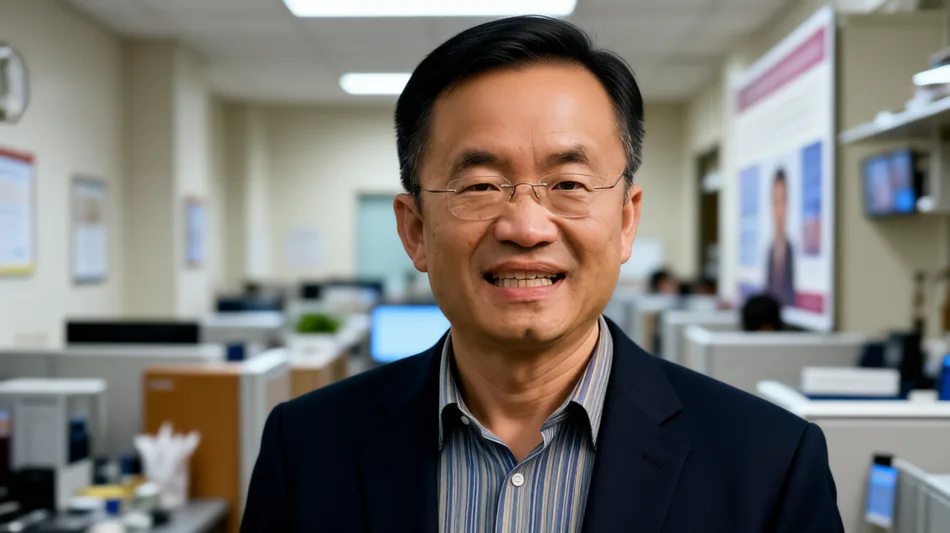
John M. Lee Reflects on San Francisco’s Real Estate Landscape and Community Resilience
In a reflection on the San Francisco real estate market in 2026, broker John M. Lee emphasizes that beyond pricing challenges, there are significant reasons for gratitude. He highlights the financial security of long-term homeowners, the stability provided by rent control, and emerging signs of community renewal across the city.
Real estate broker John M. Lee has offered a perspective on the San Francisco housing market in 2026 that balances acknowledgment of current economic pressures with an emphasis on long-term stability and community resilience. Writing from the vantage point of the city’s West Side, Lee argues that while high prices and limited inventory remain defining features of the local landscape, there are substantial foundations for gratitude among residents.
Lee notes that many San Francisco homeowners who secured mortgages in the 3 to 5 percent interest rate range are currently in a strong financial position. He points out that their monthly financing costs have remained steady while their property values have appreciated substantially over time. This combination of manageable payments and growing equity has provided meaningful financial security for numerous households, creating a buffer against the volatility often associated with real estate markets.
For those with this foundation, Lee suggests that Thanksgiving serves as an opportunity to recognize stewardship. He argues that appreciation can translate into active community participation, including maintaining properties, supporting local businesses, and helping newer buyers navigate the market. However, he clarifies that homeownership is not the sole path to stability in the city.
Long-time residents living in rent-controlled units are also benefiting from having established roots years ago. Lee observes that while current market rents can be daunting for newcomers, many existing tenants are insulated from the full weight of those increases. Their continued presence helps preserve neighborhood continuity, personal relationships, and the cultural identity of San Francisco’s diverse districts.
The broker also highlights public programs and community resources designed to help lower-income residents remain in the city. While acknowledging that these systems are imperfect and often face demand that exceeds supply, Lee identifies rental assistance, affordable housing efforts, and supportive services as evidence of a civic commitment to keeping the city accessible across income levels. He emphasizes that long-term tenants contribute to neighborhood stability just as owners do, knowing local merchants and helping preserve the character of their blocks.
Living on the West Side, Lee expresses gratitude for the area’s amenities and connection to nature. He lists parks, beaches, neighborhood shopping streets, schools, public transit, libraries, and community spaces as contributors to quality of life that cannot be reduced to square footage or price per foot. He notes that the appeal of private homes often relies on shared public assets, including clean streets, dependable transportation, commercial corridors, and well-maintained public spaces.
Lee also addresses recent civic debates, specifically referencing the discussion surrounding the Great Highway. He describes the debate as passionate because it touches on mobility, recreation, safety, access, and neighborhood identity. With voters weighing the issue in an upcoming election, he expresses gratitude for the democratic process that allows the community to reach a decision. He hopes that regardless of the outcome, neighbors with opposing views can reconcile and continue to care for their shared spaces.
Looking at the broader trajectory of the city, Lee suggests that San Francisco appears to be turning a corner. While serious concerns remain, he identifies renewed energy in neighborhoods and a growing determination to solve long-standing problems. He cautions against declaring victory early, defining a turnaround as noticing progress while remaining committed to improvement. He points to reopened storefronts, improved blocks, successful housing placements, and thoughtful investment as factors that can reinforce confidence and change how residents experience their daily lives.
In his conclusion, Lee reiterates gratitude for homeowners building equity, renters holding onto stability, public resources helping residents stay housed, and westside neighborhoods rich in amenities. He expresses hope that the city can resolve difficult debates through civic participation and remain neighbors afterward. Most of all, he finds gratitude in the possibility of renewal, asserting that despite every challenge, there are still many reasons to believe that roots in San Francisco can grow stronger.
F.Hammond--TNT