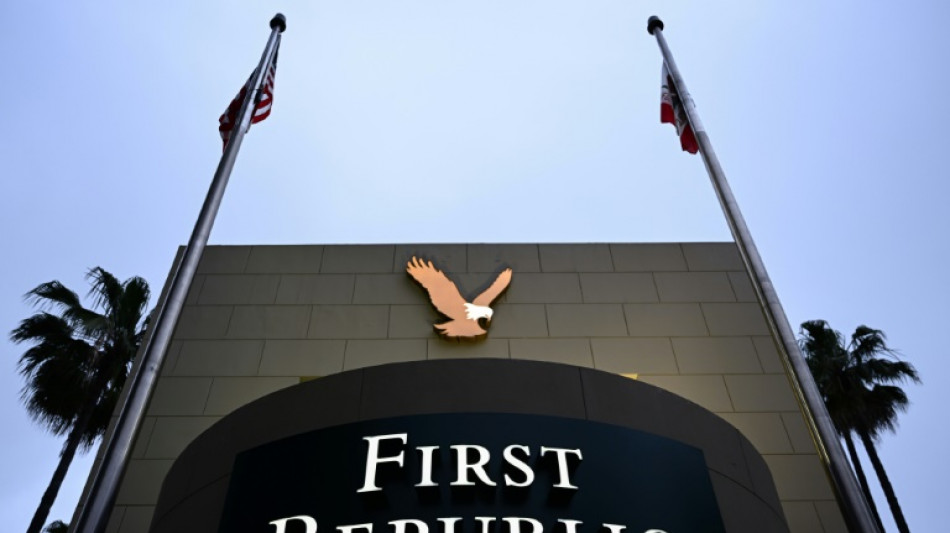
After spring crisis, US banks face subdued profit outlook / Photo: © AFP/File
The upcoming deluge of US bank earnings is expected to show more pressure on deposits, an uptick in reserves for bad loans and much talk about potential new regulations.
While there is always the potential for a shock disclosure, banking industry experts are generally anticipating a picture of subdued profitability, rather than a repeat of the crisis that pummeled the industry this spring.
"You're going to see some challenges on the earnings picture," said Chris Wolfe, a managing director at Fitch Ratings, who expects banks to set aside greater reserves as households savings erode.
"There's still a recessionary element that's playing into forecasts even if that's getting pushed out a little further," Wolfe said.
The second-quarter reporting season kicks off Friday with reports from three banking giants: JPMorgan Chase, Citigroup and Wells Fargo, which will be followed early next week by Bank of America and Goldman Sachs.
Reports from these behemoths offer a reading on the US consumer because of these banks' extensive credit card operations and lending tied to home and car loans.
The focus then shifts to regional players such as Cleveland-based KeyCorp, Dallas-based Comerica, Los Angeles-based PacWest BanCorp and Alabama's Regions Financial.
These midsized banks suffered a plunge on Wall Street in the spring amid fears that the crisis that felled Silicon Valley Bank, First Republic and Signature Bank would drag down other lenders.
- Paying for deposits -
The largest banks are projected to vary in terms of profitability compared with last year, with analysts still seeing a tepid merger and acquisition market as crimping investment banking revenues.
But the outlook is generally worse for the midsized players, which face intense pressure to retain deposits in the shifting US monetary policy landscape.
The Federal Reserve has lifted interest rates 10 straight times since early 2022 in a bid to counter inflation that has scrambled the picture after a lengthy stretch of very low interest rates.
"Banks have had to pay up for the deposits to keep them," said Stuart Plesser, senior director, S&P Global Ratings. "What you're going to see is profitability start to come under pressure."
S&P in May shifted the ratings outlook to "negative" on nine regional banks, although they are still investment grade.
While analysts expect some erosion in deposits this time around, they are not anticipating significant drops akin to April, when First Republic's disclosure of a more than 40 percent fall in deposits precipitated the lender's government-organized auction a week later.
Clifford Rossi, a former risk management executive at Citigroup and a professor at the University of Maryland, said the shift in monetary policy has also burdened banks with unrealized losses, which reflect the erosion in value of long-term US Treasury-linked assets due to interest rate increases.
"I think there's still a liquidity risk for some of these institutions until we get past these interest rate issues," Rossi said.
Midsized banks are also seen as facing the brunt from significant new regulations that could crimp lending.
On Monday, Michael Barr, the Federal Reserve's vice chair for supervision, announced a series of measures to tighten banking regulation and supervision.
They include applying higher capital requirements to banks with assets of at least $100 billion, rather than the current standard of only those with $700 billion or more in assets.
Regional lenders have signaled they expect declines in net interest income due to the higher payments needed to retain deposits.
This operating challenge is one reason experts like Wolfe see banking as positioned for potential consolidation as long as regulators permit it.
Q.Marshall--TNT