IMF urges Sri Lanka to raise taxes, devalue currency
The International Monetary Fund warned crisis-hit Sri Lanka on Thursday that its foreign debt was "unsustainable", and called for devaluation and higher taxes to revive the almost bankrupt economy.
The pandemic pushed the South Asian island's tourism sector -- a key foreign-exchange earner -- off a cliff, and the government in March 2020 imposed a broad import ban to try to shore up foreign currency.
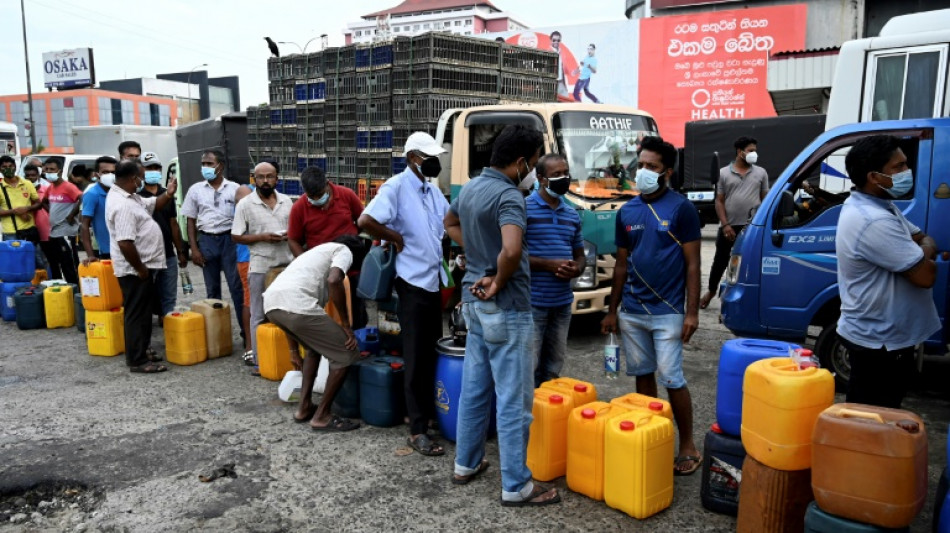
But more than two years on, Sri Lanka is grappling with food and fuel shortages, which this week saw its public transport crippled as buses ran out of diesel and the state imposed blackouts.
Following its annual review of the cash-strapped country, the IMF said its fast-dwindling foreign reserves were inadequate to service the country's current foreign debt of $51 billion.
Official data shows Sri Lanka needs nearly $7 billion to service its foreign debt this year, but the country's external reserves at the end of January were only $2.07 billion -- just enough to finance one month's imports.
The IMF stressed "the urgency of implementing a credible and coherent strategy to restore macroeconomic stability and debt sustainability", recommending a return to a "market-determined and flexible exchange rate" -- meaning a devaluation of the Sri Lankan rupee.
While the central bank's set rate is 197 rupees to the dollar, a thriving black market offers 260 rupees for US currency notes.
This disparity has led to a more than 50 percent decline in foreign remittances through official banking channels.
But the IMF noted the country's economic woes began pre-pandemic.
Soon after taking office in November 2019, President Gotabaya Rajapaksa cut several taxes nearly in half, the IMF said, driving down government revenues and forcing it to borrow more.
Among recommendations to address the crisis was to raise income taxes and VAT, "complemented with revenue administration reform", the IMF said.
The lack of dollars to import fuel has led to a serious energy crisis.
Besides bringing public transport to a halt on Wednesday, the state's electricity company also imposed a daily seven-and-a-half-hour electricity blackout -- the longest scheduled power rationing in over a quarter of a century.
Without dollars to finance essential imports, rice, milk powder, sugar and wheat flour are in short supply, while local industries are unable to bring in raw materials and machinery.
The shortages pushed inflation to 16.8 percent in January -- the fourth consecutive record rise -- and the IMF said it expected it to remain in the double digits.
International rating agencies have downgraded Sri Lanka over expectations it may not be able to service its foreign debt, though the government insists it can meet its obligations.
V.Bennett--TNT